
6 Key insights about RDP housing in South Africa and why it still matters
RDP housing has uplifted over 20 million South Africans, but deep challenges remain, and innovative planning is needed for lasting change. South Africa’s Reconstruction and Development Programme (RDP) has built more than three million homes, which is not just a statistic; it represents how far our government has come in addressing one of the country’s most entrenched inequalities: access to dignified shelter. Decades after the programme’s inception, the story of RDP housing is still unfolding, and it’s one of progress, promise, and persistent pressure on infrastructure and urban development. We’re here to give you six insights into RDP housing in South Africa today, including what’s working, where the cracks are showing, and what Gap Infrastructure Corporation is doing to assist.
There remains increasing demand for RDP housing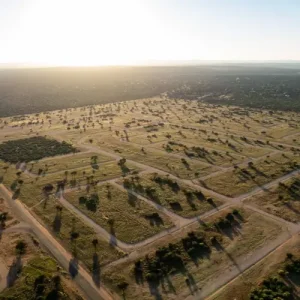
South Africa’s post-apartheid housing policy was implemented to correct historical injustices and provide low-income families with affordable homes. Since 1994, government data confirms that over three million RDP houses have been delivered, yet the waiting list remains long and uncertain. Many applicants wait years, sometimes decades, before receiving confirmation. While the intention is noble, delivery delays can deepen the exclusion of vulnerable citizens, and this lack of access to RDP housing has ripple effects.
The quality of homes built remains an issue
One of the ongoing criticisms of RDP housing lies in its quality and durability. These challenges often point to deeper issues with oversight and accountability in development projects. That’s why proper town planning and strong project management are essential for building housing that lasts. At GIC, we support the South African government’s commitment to ensuring every citizen can access safe shelter and basic services. This is why, as a leading P3 developer, we partner on so many crucial projects and offer a wide range of services.
Urban sprawl and poor planning worsen the crisis
Delivering mass housing without integrated planning leads to spatial disconnect. It would make no sense that RDP homes are far from city centres, job hubs, and essential services because this would create new barriers instead of removing old ones. Without transport infrastructure, schooling, clinics, or employment nodes, residents remain trapped in cycles of poverty despite being given a home. This is where our holistic town planning services have a stellar impact. We approach infrastructure with a people-first mindset, ensuring that housing projects are not isolated but part of an ecosystem of opportunity.
Town planning on the road to transformation
Our town planning team is committed to building communities that people can truly call home, places that are sustainable and inclusive. We focus on aligning infrastructure with real social, economic, and environmental needs so that RDP housing projects and the formalisation of informal settlements create truly liveable neighbourhoods.
Community inclusion is not optional
Top-down development models no longer fit our nation’s infrastructure goals. Across South Africa, successful RDP housing initiatives now depend on community participation for buy-in and relevance. People know what they need. They know where transport routes fail, where clinics are too far, and where streetlights are missing. Ignoring those voices results in ghost suburbs, poorly utilised public spaces, and unsafe environments. We always aim to integrate community consultation into our planning process to deliver projects that serve real-world needs, not only policy goals.
Public-Private Partnerships (PPPs) are changing what’s possible
The current housing crisis is too big for the government to tackle alone. That’s where collaboration with the private sector can help. As a leading P3 developer, we at GIC help plan, build, and fund large-scale infrastructure projects that make the right difference.
RDP housing is about restoring dignity and creating important opportunities. To fully realise that vision, we need development that’s strategic, inclusive, and built to last. At Gap Infrastructure Corporation, we’re changing lives, and if you’d like to know more, you can reach out to us today.